
Delaware Psoriasis
Infusion Center of DE
Infusion Center of DE is a Delaware psoriasis infusion center providing specialized rheumatology care and infusion therapy for patients with moderate to severe psoriasis and related psoriatic arthritis.
What is Psoriasis?
Psoriasis is a chronic autoimmune skin condition that causes the body to produce skin cells too quickly, leading to thick, red, inflamed, and often scaly patches on the skin. It can affect different areas of the body and may also be associated with psoriatic arthritis, which can cause joint pain, stiffness, and swelling.

What Types of Psoriasis
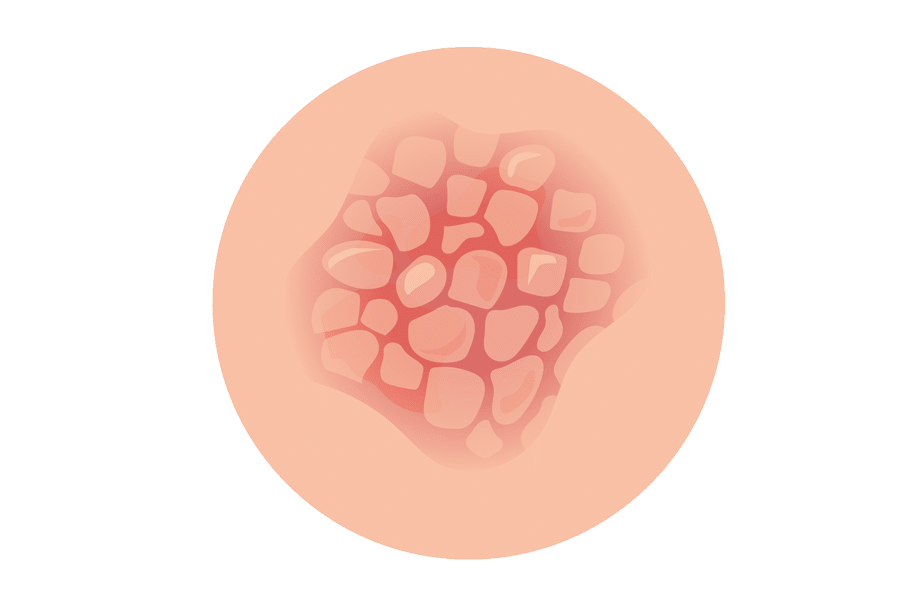
PLAQUE PSORIASIS
~80–90% of cases. Thick plaques with silver scale and well-defined borders.
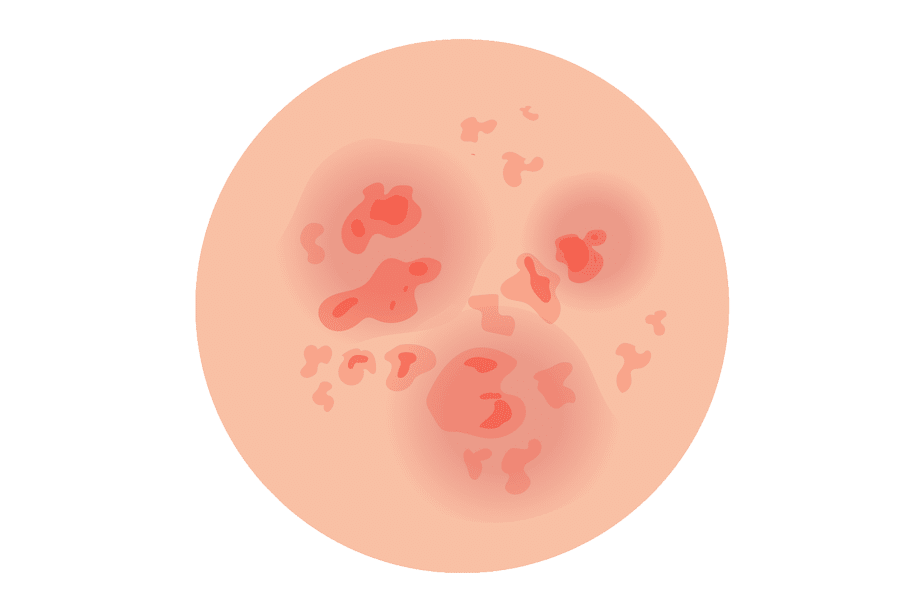
GUTTATE PSORIASIS
Numerous small spots, often after strep throat. Common in children and young adults.
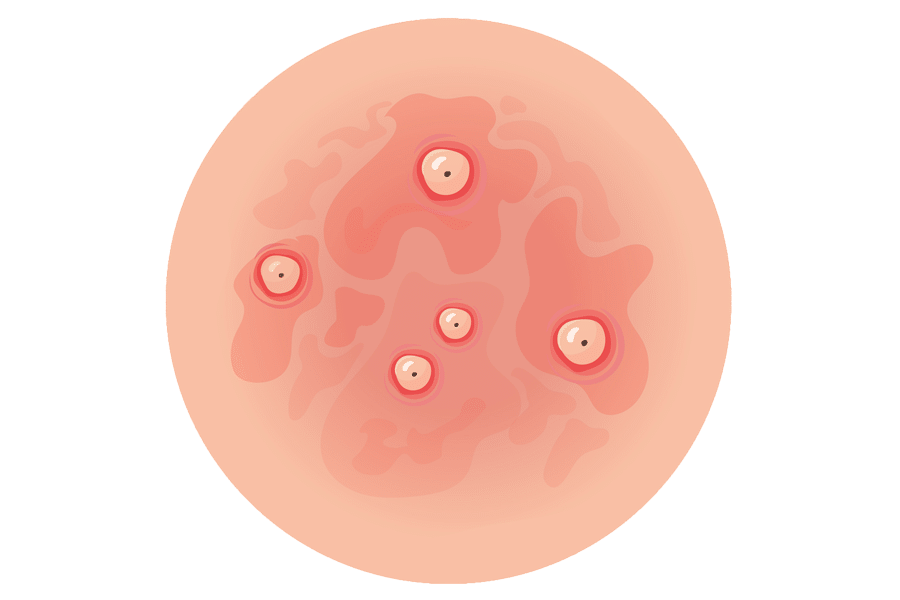
Pustular Psoriasis
Rare. Sterile pus-filled blisters with significant inflammation.
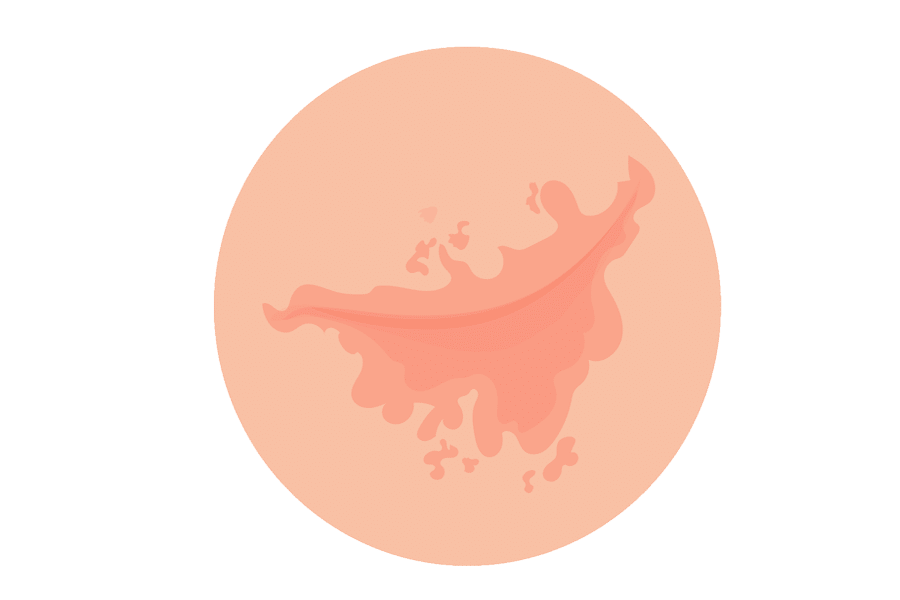
Inverse Psoriasis
Smooth, shiny, intensely red patches in skin folds — armpits, groin, under the breasts.
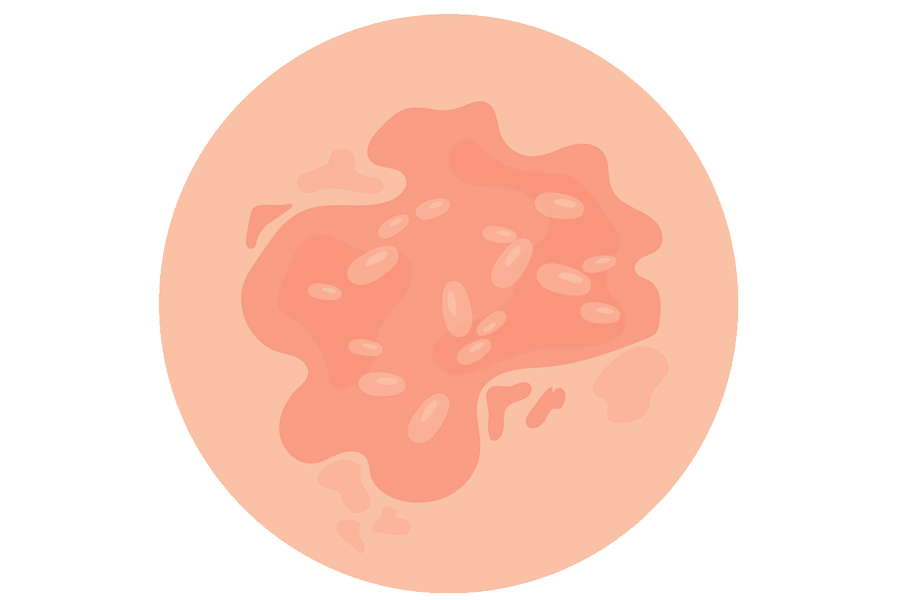
Erythrodermic Psoriasis
Medical emergency. Widespread redness; may require hospitalization.
Several factors can trigger or worsen the condition, including stress, infections, weather conditions, certain medications, and skin injuries. Managing the condition means addressing these triggers, including skin plaques or injuries such as cuts, scrapes, or sunburn.
SYMPTOMS
- Skin Symptoms: Red patches, thick scales, dryness, cracking, and potential bleeding.
- Nail Symptoms: Pitting, discoloration, or separation of the nail from the nail bed.
- Joint Symptoms: Swelling, stiffness, and pain, especially in psoriatic arthritis.
COMMON TRIGGERS
Even well-controlled psoriasis can flare. Recognized triggers include physical or emotional stress, skin injury (the Koebner phenomenon), strep throat and viral illness, cold dry weather, smoking, heavy alcohol use, certain medications (lithium, beta-blockers, antimalarials), hormonal shifts, and inconsistent treatment adherence. Keeping a symptom diary can help identify your own patterns.
What to expect during an infusion visit
Most infusions take one to three hours, sometimes longer with observation time. Here’s the typical flow:
Before
During
A small IV catheter is placed and medication is delivered at a prescribed rate while your nurse monitors for reactions. Many patients read, work, or stream something while they wait.
After
You’re briefly monitored, side effects are reviewed, your next appointment is scheduled, and updates are shared with your referring physician.
Most patients return to normal activities the same day unless told otherwise.
What are Side effects and when to call your provider
Biologic infusions are generally well tolerated. Common effects are mild — headache, fatigue, nausea, or brief infusion-site discomfort. Less common but more serious risks include infection, TB or hepatitis B reactivation, allergic reaction, and changes in liver function, which is why pre-treatment screening and ongoing monitoring matter.
Contact your provider promptly if you notice:
- Fever above 100.4°F (38°C)
- Persistent cough or difficulty breathing
- Chest pain
- Severe rash or facial swelling
- Persistent diarrhea or severe abdominal pain
- Yellowing of skin or eyes
- Unusual bruising or bleeding
- New numbness or weakness
Seek emergency care immediately for signs of a severe allergic reaction facial or throat swelling, severe shortness of breath, or difficulty swallowing.
Why choose our infusion therapy team
Specialized Psoriasis Care
Treatment focused on managing psoriasis and its symptoms.
Personalized Treatment Plans
Care tailored to your condition and treatment needs.
Experienced Medical Team
Professional support throughout your infusion treatment.
Patient-Centered Care
We prioritize your comfort, safety, and overall experience.
Convenient Delaware Locations
Access psoriasis infusion therapy in Wilmington, Dover, and Milford.
Meet Your Physician
Dr. Maged Hosny
More than 25 years of experience diagnosing and treating rheumatologic and musculoskeletal conditions, serving patients in Delaware and surrounding communities since 2000.
Our clinical team treats autoimmune and musculoskeletal conditions and provides access to biologic infusion therapy across three Delaware locations Wilmington, Dover, and Milford making ongoing appointments, lab monitoring, and recurring infusions more accessible statewide.
Topical vs. oral systemic vs. biologic infusion therapy
| Topical / Phototherapy | Oral Systemic | Biologic Infusion | |
|---|---|---|---|
| Best For | Mild, localized plaques (<3% BSA) | Moderate disease not controlled topically | Moderate–severe disease, PsA, or widespread involvement |
| How It's Delivered | Cream, ointment, or UV light in-office | Daily pill (e.g., methotrexate, apremilast) | IV infusion at a clinic, every several weeks |
| Immune Effect | Localized, minimal systemic effect | Broad systemic immune suppression | Targeted at specific pathways (TNF-α, IL-17/23) |
| Typical Onset | Several weeks | 4–12 weeks | Often within 2–10 weeks (80% PASI 75 by week 10 in trials) |
| Monitoring Required | Minimal | Routine bloodwork | Pre-screening (TB, hepatitis) + ongoing labs and clinical monitoring |
| Treats Joint Symptoms? | No | Sometimes (e.g., methotrexate) | Yes — several biologics are approved for psoriatic arthritis |
Psoriasis by the numbers
Here’s the real epidemiology and clinical-trial evidence behind the claims on this page not rounded-off marketing figures.
7.5M+
US adults live with psoriasis — about 3.0% of the adult population
- Source:
- JAMA Dermatology, 2021 · NPF
~1 in 4
Patients have disease classified as moderate to severe
- Source:
- National Psoriasis Foundation
17.6%
Global pooled prevalence of psoriatic arthritis among psoriasis patients (regional range 7.6%–26.6%)
84.6%
Of infliximab patients reached PASI 75 skin clearance by week 46 in real-world use
- Source:
- Real-world registry study, 2022
DATA FOR PSORIASIS
Schedule Your Treatment at Infusion Center of DE
If you have persistent skin conditions like inflammation and discomfort, don’t wait to start your journey to relief. Schedule your treatment at the Infusion Center of DE today. Our team of experts offers innovative therapies to reduce inflammation, alleviate symptoms, and promote healthier skin. Whether you’re managing psoriasis, dealing with psoriatic arthritis, or experiencing joint discomfort, we’re here to provide personalized care and advanced treatment options tailored to your needs. If you’ve developed psoriatic arthritis, our specialized therapies can help you manage both your skin.
Areas Infusion Center of DE Serves in Delaware
Wilmington
- 4512 Kirkwood Hwy Wilmington, Delaware, 19808
- Mon, Tues, Wed, Thur, Fri
- Mon: 08:00 AM - 05:00 PM
- Tue: 08:00 AM - 05:00 PM
- Wed: 08:00 AM - 05:00 PM
- Thu: 08:00 AM - 05:00 PM
- Fri: 08:00 AM - 04:00 PM
- Sat: Closed
- Sun: Closed
Dover
- 260 Beiser Blvd Dover, Delaware, 19904
- Mon, Tues, Wed, Thur, Fri
- Mon: 08:00 AM - 05:00 PM
- Tue: 08:00 AM - 05:00 PM
- Wed: 08:00 AM - 05:00 PM
- Thu: 08:00 AM - 05:00 PM
- Fri: 08:00 AM - 04:00 PM
- Sat: Closed
- Sun: Closed
Milford
- 2000 Brent Jordan Way Milford, Delaware, 19963
- Mon, Tues, Wed, Thur, Fri
- Mon: 08:00 AM - 05:00 PM
- Tue: 08:00 AM - 05:00 PM
- Wed: 08:00 AM - 05:00 PM
- Thu: 08:00 AM - 05:00 PM
- Fri: 08:00 AM - 04:00 PM
- Sat: Closed
- Sun: Closed
FAQS ABOUT PSORIASIS - INFUSION CENTER OF DE
Is a chronic autoimmune condition that can significantly affect quality of life. While there’s no cure, advanced infusion therapies at the Infusion Center of Delaware can help manage symptoms effectively.
Yes, it can appear in one spot or be localized to a specific area of the body. It may start as a small patch and stay contained or spread over time. At the Infusion Center of Delaware, we offer advanced infusion therapies to help manage psoriasis effectively, no matter its extent. Contact us to learn more about treatment options.
The biggest trigger varies by individual, but common triggers include stress, infections, and skin injuries. At the Infusion Center of Delaware, we provide advanced treatments to help manage psoriasis and reduce flare-ups caused by these triggers. Contact us to explore personalized care options.
The root cause is an overactive immune system that accelerates skin cell production, leading to inflamed, scaly patches. At the Infusion Center of Delaware, we offer advanced infusion therapies designed to target the underlying immune response and manage psoriasis effectively. Contact us to learn more about our treatment options.
Typically doesn’t cause permanent scars, but severe cases or scratching may leave marks. Managing symptoms early can help prevent this. At the Infusion Center of Delaware, we provide advanced treatments to control psoriasis and minimize skin damage. Contact us to learn more about our care options.
Personalized Psoriasis Treatment
Compassionate infusion care at the Infusion Center of DE. If you’re experiencing joint pain or managing conditions with disease-modifying antirheumatic drugs, schedule your appointment today for personalized treatment and relief.