

Delaware Ulcerative Colitis
Infusion Center of DE
Infusion Center of DE provides ulcerative colitis care in Delaware, helping patients manage inflammation and symptoms with personalized treatment from experienced rheumatology and infusion care professionals.
What is Ulcerative Colitis ?
Ulcerative colitis (UC) is a chronic inflammatory bowel disease that causes inflammation and sores in the lining of the colon and rectum. The condition can affect bowel function and may cause symptoms such as diarrhea, abdominal discomfort, rectal bleeding, and an urgent need to have a bowel movement.
Ulcerative colitis can vary from mild to severe and may cause periods of flare-ups and remission. Treatment focuses on reducing inflammation, managing symptoms, maintaining remission, and helping prevent complications. A healthcare professional can recommend an appropriate treatment plan based on the severity of the condition and the patient’s individual needs.

Signs and Symptoms of Ulcerative Colitis
Symptoms vary depending on the severity of inflammation and the portion of the colon involved. They often occur in cycles, with periods of active disease (flares) followed by remission.
severe flares
blood loss
Beyond the Gut: Symptoms Outside the Digestive Tract
Joint pain
Eye inflammation
Skin rashes
Mouth sores
Bone loss
What Causes Ulcerative Colitis?
The exact cause remains unknown, but experts believe it results from a combination of immune system dysfunction, genetics, and environmental factors.
Immune System Dysfunction
Normally, the immune system protects the body from harmful bacteria and viruses. In ulcerative colitis, it mistakenly attacks healthy tissue within the colon, creating chronic inflammation.
Genetics
Individuals with a family history of inflammatory bowel disease have a greater likelihood of developing UC, although many patients have no known family history.
Environmental Factors
May contribute to disease onset or trigger flare-ups:
- Certain infections
- Smoking cessation in susceptible individuals
- Stress
- Changes in gut bacteria
- Some medications
Risk Factors
Ulcerative colitis affects both men and women and can occur at almost any age.
- Family history of inflammatory bowel disease
- Personal history of autoimmune disease
- Age between 15 and 30
- Smaller peak after age 60
- Certain genetic factors
- Environmental influences
Treatment Options for Ulcerative Colitis
Treatment focuses on reducing inflammation, controlling symptoms, achieving remission, and preventing complications. Your plan depends on disease severity, location of inflammation, previous response to medications, overall health, and personal treatment goals.
Aminosalicylates (5-ASAs)
Corticosteroids for short-term flare control
Targeted small-molecule therapies
Immunomodulators
Biologic medications
Nutritional support
Ulcerative Colitis vs. Crohn's Disease
Both are forms of inflammatory bowel disease (IBD), but they affect the digestive tract differently. Because treatment approaches may differ, an accurate diagnosis is essential before beginning therapy.
Feature
Ulcerative Colitis
Crohn's Disease
- Area Affected
- Inflammation Pattern
- Bowel Wall Involvement
- Common Feature
- Colon and rectum only
- Continuous
- Inner lining only
- Blood in stool is common
- Any part of the digestive tract
- Patchy areas
- Entire thickness of bowel wall
- Fistulas and strictures are more common
Why choose our infusion therapy team
Specialized UC Care
Focused infusion treatment for ulcerative colitis.
Personalized Treatment
Care tailored to your individual needs.
Experienced Team
Skilled medical professionals supporting your treatment.
Patient-Focused Care
Comfort and safety are our priorities.
Convenient Delaware Locations
Infusion care available across Delaware.
Meet Your Physician
Dr. Maged Hosny
More than 25 years of experience diagnosing and treating rheumatologic and musculoskeletal conditions, serving patients in Delaware and surrounding communities since 2000.
Our clinical team treats autoimmune and musculoskeletal conditions and provides access to biologic infusion therapy across three Delaware locations Wilmington, Dover, and Milford making ongoing appointments, lab monitoring, and recurring infusions more accessible statewide.
When Infusion Therapy May Be Recommended
Infusion therapy may be recommended for patients with moderate to severe ulcerative colitis who continue to experience active disease despite conventional treatment, or who require biologic medications administered intravenously. At Infusion Center of Delaware, infusions are administered by experienced nurses in a comfortable outpatient setting, coordinating closely with your referring gastroenterologist.
- Reduce inflammation
- Achieve clinical remission
- Promote healing of the intestinal lining
- Reduce the frequency of flare-ups
- Improve quality of life
- Lower need for long-term corticosteroids
Take the Next Step in Managing Ulcerative Colitis
Whether you’ve recently been diagnosed or are exploring additional treatment options, our team is here to help you find safe, effective, and compassionate care.

Areas Infusion Center of DE Serves in Delaware
Wilmington
- 4512 Kirkwood Hwy Wilmington, Delaware, 19808
- Mon, Tues, Wed, Thur, Fri
- Mon: 08:00 AM - 05:00 PM
- Tue: 08:00 AM - 05:00 PM
- Wed: 08:00 AM - 05:00 PM
- Thu: 08:00 AM - 05:00 PM
- Fri: 08:00 AM - 04:00 PM
- Sat: Closed
- Sun: Closed
Dover
- 260 Beiser Blvd Dover, Delaware, 19904
- Mon, Tues, Wed, Thur, Fri
- Mon: 08:00 AM - 05:00 PM
- Tue: 08:00 AM - 05:00 PM
- Wed: 08:00 AM - 05:00 PM
- Thu: 08:00 AM - 05:00 PM
- Fri: 08:00 AM - 04:00 PM
- Sat: Closed
- Sun: Closed
Milford
- 2000 Brent Jordan Way Milford, Delaware, 19963
- Mon, Tues, Wed, Thur, Fri
- Mon: 08:00 AM - 05:00 PM
- Tue: 08:00 AM - 05:00 PM
- Wed: 08:00 AM - 05:00 PM
- Thu: 08:00 AM - 05:00 PM
- Fri: 08:00 AM - 04:00 PM
- Sat: Closed
- Sun: Closed
FAQS ABOUT ULCERATIVE COLITIS - INFUSION CENTER OF DE
Ulcerative colitis is relatively common, affecting about 1 in 500 people in the U.S. It’s a type of inflammatory bowel disease (IBD) often diagnosed between ages 15 and 30 but can occur at any age. It is more prevalent in developed countries and among people of European descent, requiring long-term management for symptom control.
It’s possible to live with ulcerative colitis without medication during remission, but medication is often crucial to manage inflammation and prevent complications. Without treatment, symptoms may worsen over time, increasing health risks. Work with your healthcare provider to find the best approach, including lifestyle changes and medical care.
Living with ulcerative colitis can be challenging due to symptoms like pain and fatigue, especially during flare-ups. However, proper treatment, dietary changes, and stress management can help control symptoms. Many people lead fulfilling lives with effective care and support. Building a strong healthcare plan and seeking community support can make it easier.
The exact cause of ulcerative colitis is unknown, but it is believed to result from an overactive immune response that mistakenly attacks the lining of the colon. Factors like genetics, environmental triggers, and an imbalance in gut bacteria may play a role. Stress and diet don’t directly cause ulcerative colitis but can worsen symptoms. Ongoing research aims to better understand its causes and improve treatments.
In Delaware, ulcerative colitis is diagnosed through medical history, blood and stool tests, and imaging like CT scans. A colonoscopy is often performed to examine the colon and take biopsies. Specialized centers, like the Infusion Center of DE, offer access to diagnostics and advanced care for effective management.
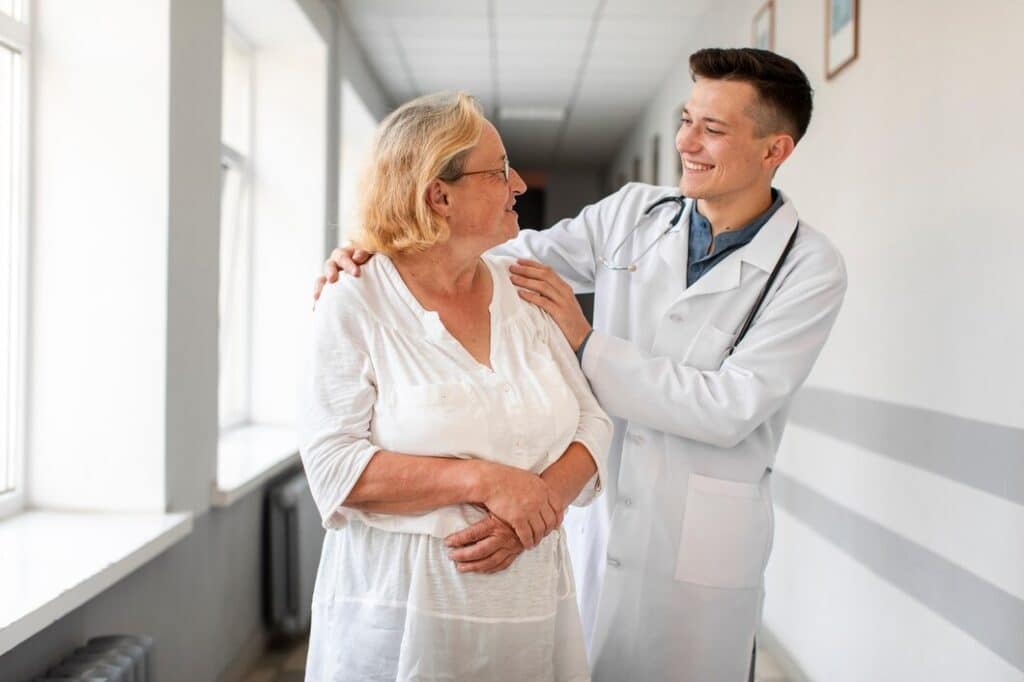
Quality Care for Ulcerative Colitis Delaware
Compassionate infusion therapy for Ulcerative Colitis Delaware at the Infusion Center of DE. Book your visit today.